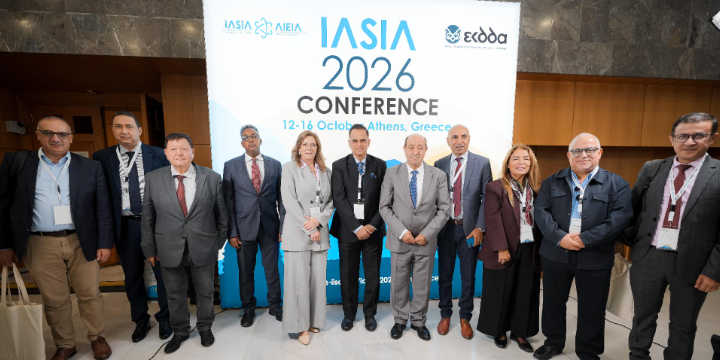
On September 16, 2025, during the IIAS General Assembly, the results of the European Group for Public Administration (EGPA) elections were officially ratified, marking the beginning of a new leadership cycle for 2025–2028.
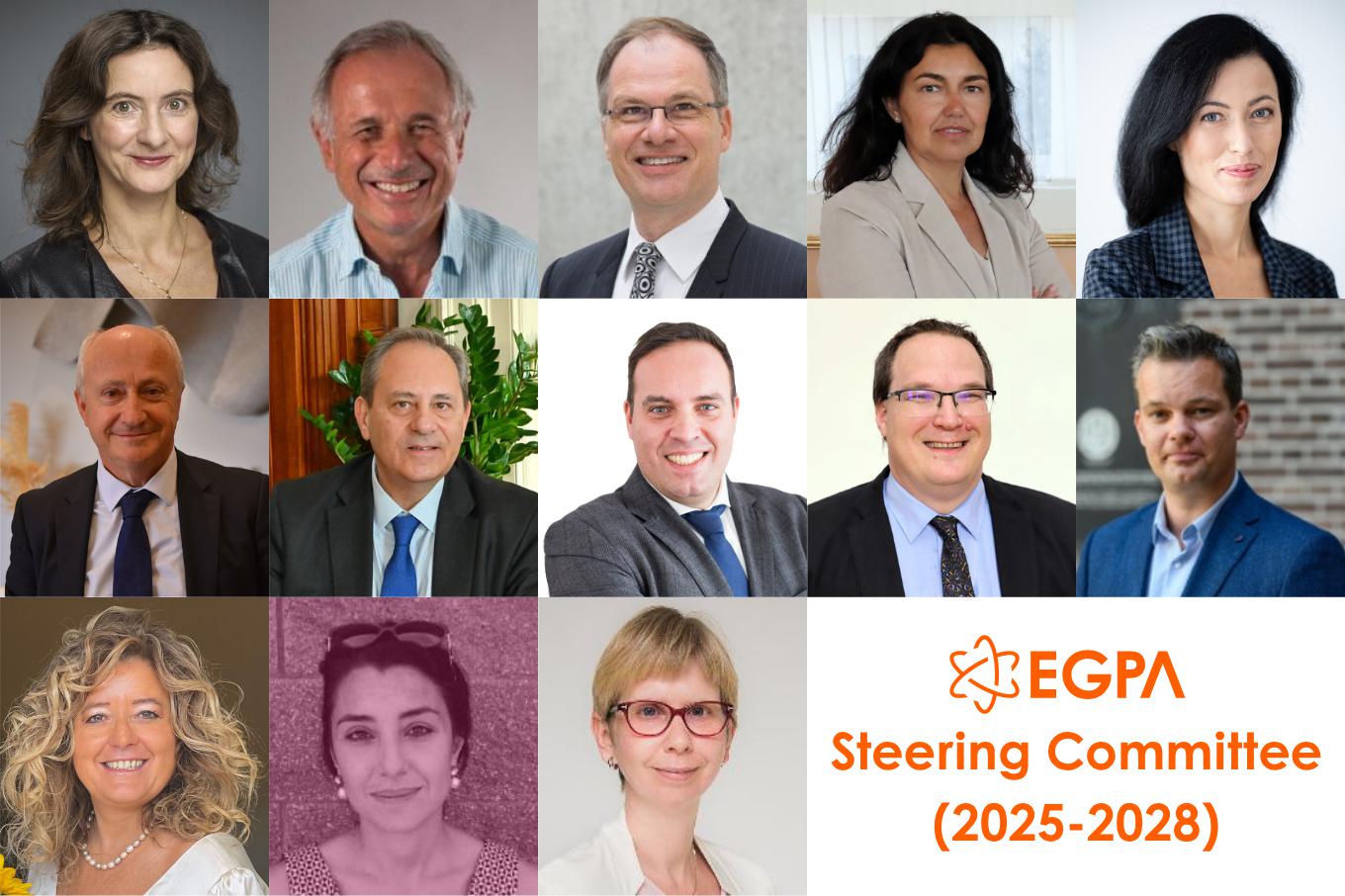
The EGPA Steering Committee, elected through an inclusive process endorsed by the IIAS Council of Administration and the EGPA General Assembly, has chosen Prof. Dr. Sabine Kuhlmann as its new President. She will be joined by Vice Presidents Prof. Marco Meneguzzo and Prof. Reto Steiner, alongside the newly confirmed Steering Committee members: Ellen Wayenberg, Vassilis Exarchos, Istvan Hoffman, Noemi Rossi, Gabriella Margherita Racca, Sabrina Bandera, Toon Kerkhoff, Anna Budzanowska, David Ferraz, and João Ricardo Catarino.
In his address, IIAS President Voruganti Srinivas congratulated the elected leaders and highlighted the significance of the moment:
“A new era of EGPA leadership has dawned. Prof. Sabine Kuhlmann brings years of dedicated and distinguished service to IIAS and EGPA, with a vision to take EGPA to new heights in the next fifty years.”
Prof. Kuhlmann, a renowned scholar in public administration and Editor-in-Chief of the International Review of Administrative Sciences - the oldest journal dedicated to comparative public administration - combines academic rigor with proven leadership experience. Together with Vice Presidents Meneguzzo and Steiner, both longstanding contributors to EGPA, she will guide the Steering Committee in delivering an ambitious agenda for the years ahead.
In her inaugural remarks, Prof. Kuhlmann reflected on the challenges and opportunities ahead, affirming her belief in the future of the association:
“This crisis is not the end of EGPA, quite on the contrary: it is a window of opportunity for necessary reforms and changes while maintaining and strengthening our fundamental values, strengths and competitive advantages. We will maintain our anchoring in a global community of Public Administration, instead of European isolation.”
She also emphasized the importance of governance reforms, in particular regarding the relationship between IIAS and EGPA and within IIAS services:
“We will work toward a model that rebuilds the relationship with IIAS. This model should grant EGPA more governance autonomy, more transparency in finances, greater clarity in statutes, and improved administrative support by the Secretarial as our key service unit.”
The newly elected body has already outlined priorities such as renewing and strengthening the Permanent Study Groups, introducing innovative and more open conference formats (e.g. Ad Hoc Groups, Specialized Panels) , reducing conference fees, providing more support for local organizers of conferences, and securing budget allocations to reinforce its activities.
With the new leadership confirmed, EGPA now looks forward to advancing its mission as a dynamic hub for scholarship, dialogue, and collaboration, continuing its role as the leading learned society in administrative sciences across Europe.

 EGPA 2025 Conference -
Link